Exterior Painting Checklist to Protect Your Huntington Home Year-Round
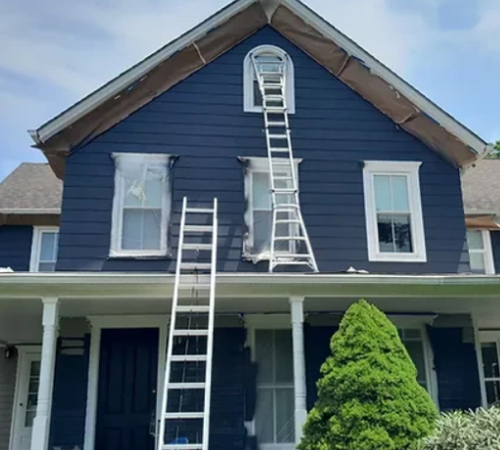
Huntington’s coastal breeze, salt air, and freeze–thaw swings can be tough on siding and trim. If you want to paint that stands up from Halesite to Southdown, follow this exterior painting checklist made for our Long Island climate. It shows what a professional crew should evaluate and do on every project, so your home looks sharp and stays protected.
Why Exterior Painting Matters In Huntington’s Climate
Living near the Sound brings humidity and salt that can speed up paint wear, especially on south and west exposures that get strong sun. Winter adds snow, ice, and thaw cycles that flex wood fibers and can crack aging coatings. Those shifts let in moisture, which leads to peeling, swollen trim, and hidden damage. A well-executed paint system seals out the elements, sheds water, and blocks UV so your siding lasts longer between repaints.
Homes in Cold Spring Harbor, Centerport, and Greenlawn often have cedar shingles, clapboard, or mixed siding with detailed trim. These surfaces benefit from consistent film thickness, tight caulk lines, and coatings chosen for our marine influence. If you’re new to the area or your last repaint didn’t hold up, reach out to a local painting company that understands Long Island conditions and product performance.
When To Repaint Wood Siding And Trim
Paint doesn’t fail overnight. It shows early signs long before peeling spreads. Watch for hairline cracks, flat spots where gloss is gone, or fine chalk on your fingers after you rub the wall. On wood trim, look for open joints at mitered corners and gaps around windows or doors. These clues mean the coating is near the end of its service life, and moisture can sneak in.
On Long Island, many wood homes need attention every 5 to 8 years, but exposure, color choice, and substrate condition affect timing. Dark colors warm up more and can fade or stress the film sooner in sunny environments. If you see peeling down to bare wood, raised grain, or soft spots, don’t wait. Addressing it before the next heavy rain or freeze helps protect the structure beneath.
Exterior Prep Steps Your Crew Should Complete
Great finishes start with great prep. A professional team documents the surfaces, isolates priority repairs, and sequences the work so each step can cure properly. Here’s what a thorough prep process typically includes on Huntington homes:
- Surface evaluation to note peeling areas, cupped shingles, failing caulk, and water entry points.
- Appropriate cleaning to remove salt, grime, and chalk so primer and paint can bond well.
- Targeted repairs for loose trim, popped nails, and minor carpentry issues that compromise the paint film.
- Scraping and sanding to a sound edge, then spot-priming bare wood with the right primer for the substrate.
- Flexible, paintable sealant at moving joints and penetrations to keep water out.
Prep takes patience and a consistent standard. Cutting corners here shortens the life of the job. If a surface isn’t clean, dry, and sound, the topcoat can’t protect it for long.
Long Island’s south and west walls fade faster. Plan your maintenance checks in late spring and late fall to catch early wear on those elevations. If your home was built before 1978, ask about lead-safe practices during paint removal.
Choosing Durable Paint And Colors For Long Island Homes
Coatings aren’t one-size-fits-all. Your crew should match primer and paint to the material and exposure. High-quality acrylic exterior paints flex with seasonal movement and resist salt haze and UV better than bargain products. For trim, a durable sheen helps shed water and dirt. On shingles or clapboard, lighter tones often stay cooler and show less fading, which can extend the fresh look between repaints.
Color selection also affects maintenance. Deeper hues may require more frequent touch-ups on sunlit elevations. Ask your estimator about options engineered for coastal regions and how many coats they recommend for your specific siding. Two uniform topcoats over a properly primed surface build a protective film that lasts longer.
Seasonal Protection Checklist: Spring Through Winter
Use this year-round view to plan your project and keep the finish looking its best after the crew wraps up:
- Spring: Inspect for winter damage, open seams, and peeling on windward sides. Schedule painting in moderate temps when curing is more predictable.
- Summer: Prioritize shaded elevations during peak heat. Confirm proper dry times between coats to avoid print-through or blocking.
- Fall: Take advantage of stable days for trim and detail work. Sealing gaps before the first hard freeze increases movement.
- Winter: Monitor inside moisture levels. Ice dams or condensation can show up as paint stress around eaves and windows.
Seasonal planning helps your project stay on schedule and helps the finish come under the best conditions. Always watch the forecast and avoid painting right before heavy rain or a Nor’easter.
The Professional Process You Can Expect From Valdez Painting Co
From the initial walk-around to the final touch-up, the process should be clear and predictable. Expect detailed notes on siding and trim conditions, a written scope that spells out prep standards, and a plan for protecting landscaping and walkways. During the job, communication about daily progress, weather adjustments, and curing windows keeps everyone aligned.
Quick Spot-Check List Before You Hire
Use these fast, non-technical checks to understand a crew’s standards before work begins:
- Do they identify and document problem areas like failing caulk or soft trim before quoting?
- Will they adjust prep and product choices for coastal exposure and sunny elevations?
- How do they protect shrubs, decking, and hardscape during washing and painting?
- What does the daily cleanup plan look like so your property stays tidy?
These answers help you compare apples to apples and choose a partner that treats your home with care.
Care After Your Project: How To Help Your Finish Last
Once your home is freshly painted, simple habits help the coating system do its job. Keep sprinklers from hitting siding, trim back climbing plants, and clear debris from gutters so water doesn’t run down walls. Walk around the home twice a year and look for early wear on sunny sides, hairline cracks at joints, or caulk that has pulled back. Quick attention to small issues keeps moisture out and preserves the look you paid for.
If you add new fixtures or change storm windows, reseal those penetrations promptly. When power washing other areas of the property, use gentle settings and maintain a safe distance from painted surfaces to avoid premature wear. If you spot concerns, call your painter to evaluate the best fix, so the system stays intact.
Your Huntington Home, Protected Year-Round
When you want a finish built for coastal weather, clear prep standards, and thoughtful scheduling, choose a team that paints with longevity in mind. Learn how our process safeguards siding and trim across Huntington and the North Shore by reviewing the details on our exterior painting service page.
Ready to protect your home before the next season rolls in? Call Valdez Painting Co at 516-325-0657 and let our team handle every step with care.
Contact Us Now for Expert Color Consulting and Painting Services in Huntington, NY!